

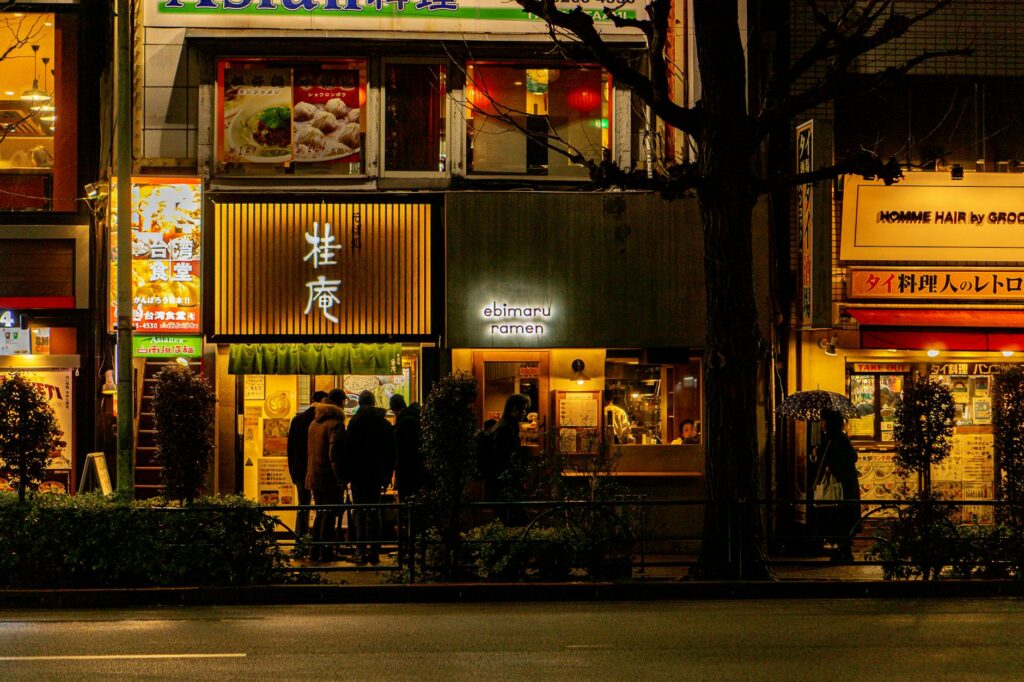
Where to Eat Ramen in Tokyo at 3AM (And Why You Should)
Where to Eat Ramen in Tokyo at 3AM (And Why You Should)
The city never sleeps — and neither should your appetite. Here are 4 spots open past midnight.
Tokyo has over 4,000 ramen shops. Only 38 are open at 3 AM. We found the best 4 — and ate at all of them in one night. For science.
Why 3 AM? Because that’s when the city really comes alive. Salarymen finish karaoke. Chefs end service. The subway runs 24/7. And the broth? It’s been simmering for 18 hours.
1. Ichiran (Shibuya) – Open 24 Hours
The famous solo booth ramen. Order via vending machine. Sit in your private cubicle. Slurp in peace. ¥1,080 for tonkotsu perfection.
2. Ramen Break Beats (Shinjuku) – Open till 5 AM
Hip-hop on vinyl. Neon lights. 18-hour tonkotsu broth with a smoky kick. ¥1,200. Cash only. No photos inside — respect the vibe.
- Add chashu (+¥300)
- Try the black garlic oil
- Arrive before 2 AM to avoid the line
3. Kyushu Jangara (Akihabara) – Open 24 Hours
Spicy miso ramen from Kyushu. Add karashi takana (pickled mustard greens) for free. ¥980. The spice level 3 is perfect — level 5 is a dare.
4. Tsukumo Ramen (Roppongi) – Open till 6 AM
Truffle oil shoyu ramen. Only 15 bowls per night. ¥2,800. Worth every yen. Arrive at 5:30 AM — they sell out by 5:45.
“I flew 14 hours for this bowl. No regrets.”
— Marco, Jurnjoy curator, after bowl #3
Why Eat Ramen at 3 AM?
- No lines
- Chefs are relaxed — they’ll customize
- The city feels like a movie
- You’ll never sleep on a full stomach anyway

Ready for Tokyo at 3 AM?
Get the full printable guide — subway-safe, rain-proof, ramen-ready. €3.

Frequently Asked Questions
What’s the best time to eat ramen in Tokyo?
Late-night ramen shops (typically open until 4-5 AM) offer a uniquely authentic experience. The post-midnight crowd is mostly locals, and many shops serve their freshest broth during these hours since it’s been simmering all day.
How much does a bowl of ramen cost in Tokyo?
A standard bowl ranges from ¥800-1200 (€5-8). Premium toppings like extra chashu or ajitama egg add ¥100-300. Late-night shops sometimes charge a slight premium but the experience is worth it.
Do I need to speak Japanese to order ramen?
Most ramen shops use ticket vending machines where you select and pay before sitting down. The machines often have pictures or English labels. Staff will ask about broth richness and noodle firmness — learning ‘futsu’ (normal) for both is enough.
What to Pack and Practical Preparation
Pack layers regardless of season. European weather shifts quickly, and the temperature difference between a sunny square and a shaded cathedral interior can be 10-15°C. A compact rain jacket that doubles as a windbreaker is the single most useful garment for European travel.
Bring a portable charger and a universal EU adapter (Type C/F for most of Europe, Type G for the UK). Many older European buildings and hotels have limited outlet access in rooms, so being able to charge on the go keeps your phone available for maps, translations, and reservations.
Notify your bank before traveling and carry a small amount of local currency for markets, small shops, and tipping. While card payment is widespread in Northern Europe, Southern and Eastern European destinations still have many cash-preferred establishments, especially street food vendors and local transport ticket machines.
Budget-Saving Strategies for This Destination
Smart budget travel isn’t about skipping experiences — it’s about timing them right. Many museums offer free admission on specific days or during evening hours. Check the official website before your visit; you might save €15-25 per person simply by shifting your schedule by a few hours.
Accommodation location matters more than star rating. A well-reviewed apartment in a residential neighborhood with good transit connections typically costs 40-60% less than a comparable hotel in the city center, while giving you access to local supermarkets where you can prepare some meals yourself.
Purchase a city tourism card only if the math works out. Calculate the cost of individual attractions you actually plan to visit versus the card price. For stays of 3+ days with heavy sightseeing, cards usually pay off. For shorter, more relaxed visits, individual tickets are often cheaper.
👉 Read also: 7 Printable Guide Hacks to Save Space in Your Bag
👉 Read also: lisbon-fado-nights/”>The Fado House in Lisbon You Won’t Find on TripAdvisor
👉 Read also: amsterdam-bike-hacks/”>Amsterdam Bike Hacks Even Locals Don’t Know
Insider Tips You Won’t Find in Guidebooks
The best travel experiences come from stepping off the well-worn tourist path. Local markets open early — arriving before 9 AM gives you the freshest produce and the most authentic interactions with vendors who haven’t yet switched into tourist mode.
Download the city’s local transit app before you arrive. In most European cities, a daily transit pass costs less than two taxi rides and gives you unlimited access to buses, trams, and metro lines. Google Maps transit directions are accurate but local apps often show real-time delays and platform changes that Google misses.
For restaurants, follow the locals’ schedule. Lunch between 12-2 PM at places where you hear the local language spoken is almost always better and cheaper than dinner at tourist-facing establishments. Many restaurants offer fixed-price lunch menus (menu del día in Spain, formule in France) that include multiple courses at half the dinner price.