

The Fado House in Lisbon You Won’t Find on TripAdvisor
The Fado House in Lisbon You Won’t Find on TripAdvisor
No cover charge. No tourists. Just soul-shaking music and €2 wine. Here’s how to get in.
It’s in Alfama. No sign. No website. Just a blue door and a chalkboard that says “Fado esta noite” on Tuesdays and Thursdays.
We found it by accident — following the sound of a guitar at 11 PM. The owner, Senhor António, let us in because we said “obrigado” before asking for a table.
How to Get In
- Arrive at 9 PM (doors open at 8:30, but locals come early)
- Knock 3 times on the blue door
- Say “Para ouvir” (to listen) — not “to eat”
- Pay €5 at the door (includes 1 glass of house red)
What to Expect
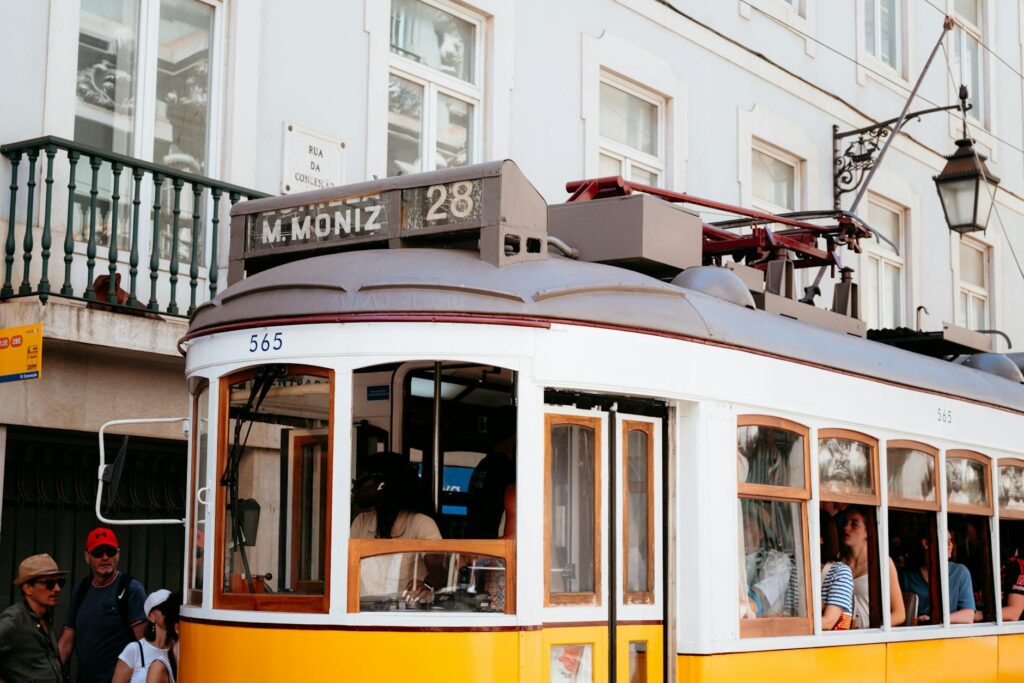
12 wooden chairs. 3 singers. 1 Portuguese guitar. 1 viola. Silence between songs so deep you hear the tram on the hill.
No menu. Just bread, cheese, and wine. That’s it. That’s everything.
“I understood every word — and I don’t speak Portuguese.”
— Sofia, after her third glass
The Rules
- No photos during performance
- Applaud with “bravo” — not clapping
- Stay till the end (around 1 AM)
- Tip the singers €2–5 in the guitar case

Ready for Lisbon Nights?
Get the full printable guide — tram-safe, fado-ready, €3.

Budget-Saving Strategies for This Destination
Smart budget travel isn’t about skipping experiences — it’s about timing them right. Many museums offer free admission on specific days or during evening hours. Check the official website before your visit; you might save €15-25 per person simply by shifting your schedule by a few hours.
Accommodation location matters more than star rating. A well-reviewed apartment in a residential neighborhood with good transit connections typically costs 40-60% less than a comparable hotel in the city center, while giving you access to local supermarkets where you can prepare some meals yourself.
Purchase a city tourism card only if the math works out. Calculate the cost of individual attractions you actually plan to visit versus the card price. For stays of 3+ days with heavy sightseeing, cards usually pay off. For shorter, more relaxed visits, individual tickets are often cheaper.
Frequently Asked Questions
What is fado music?
Fado is Portugal’s traditional folk music, characterized by mournful melodies and lyrics about longing, fate, and the sea. It originated in Lisbon’s working-class neighborhoods in the early 19th century and was designated a UNESCO Intangible Cultural Heritage in 2011.
Where can I hear authentic fado in Lisbon?
The Alfama and Mouraria neighborhoods have the most authentic fado houses. Look for ‘casa de fado’ with a cover charge that includes dinner rather than tourist-oriented shows. Ask locals for recommendations — the best venues change frequently.
How much does a fado show cost in Lisbon?
Authentic fado houses typically charge €25-45 per person including a meal and drinks. Some smaller venues have no cover charge but require a minimum drink order. Free fado performances sometimes happen in Alfama squares on warm evenings.
Insider Tips You Won’t Find in Guidebooks
The best travel experiences come from stepping off the well-worn tourist path. Local markets open early — arriving before 9 AM gives you the freshest produce and the most authentic interactions with vendors who haven’t yet switched into tourist mode.
Download the city’s local transit app before you arrive. In most European cities, a daily transit pass costs less than two taxi rides and gives you unlimited access to buses, trams, and metro lines. Google Maps transit directions are accurate but local apps often show real-time delays and platform changes that Google misses.
For restaurants, follow the locals’ schedule. Lunch between 12-2 PM at places where you hear the local language spoken is almost always better and cheaper than dinner at tourist-facing establishments. Many restaurants offer fixed-price lunch menus (menu del día in Spain, formule in France) that include multiple courses at half the dinner price.
Insider Tips You Won’t Find in Guidebooks
The best travel experiences come from stepping off the well-worn tourist path. Local markets open early — arriving before 9 AM gives you the freshest produce and the most authentic interactions with vendors who haven’t yet switched into tourist mode.
Download the city’s local transit app before you arrive. In most European cities, a daily transit pass costs less than two taxi rides and gives you unlimited access to buses, trams, and metro lines. Google Maps transit directions are accurate but local apps often show real-time delays and platform changes that Google misses.
For restaurants, follow the locals’ schedule. Lunch between 12-2 PM at places where you hear the local language spoken is almost always better and cheaper than dinner at tourist-facing establishments. Many restaurants offer fixed-price lunch menus (menu del día in Spain, formule in France) that include multiple courses at half the dinner price.
What to Pack and Practical Preparation
Pack layers regardless of season. European weather shifts quickly, and the temperature difference between a sunny square and a shaded cathedral interior can be 10-15°C. A compact rain jacket that doubles as a windbreaker is the single most useful garment for European travel.
Bring a portable charger and a universal EU adapter (Type C/F for most of Europe, Type G for the UK). Many older European buildings and hotels have limited outlet access in rooms, so being able to charge on the go keeps your phone available for maps, translations, and reservations.
Notify your bank before traveling and carry a small amount of local currency for markets, small shops, and tipping. While card payment is widespread in Northern Europe, Southern and Eastern European destinations still have many cash-preferred establishments, especially street food vendors and local transport ticket machines.